Should you put your Bozeman home on the market now or hold for spring? It is a big call, and the seasons here add extra layers like snow, shorter days, and shifting buyer traffic. You want a clear answer that fits your timing, your home’s readiness, and the current local market. In this guide, you will learn how Bozeman’s seasonality works, what data to check, the tradeoffs of winter versus spring, and a simple timeline to move forward with confidence. Let’s dive in.
Bozeman seasonality at a glance
Bozeman typically sees more new listings and more buyer activity in spring, roughly March through June. Winter often brings fewer listings and fewer showings, but the buyers who are out tend to be more serious.
Local life reinforces this pattern. Montana State University cycles, ski season at Bridger Bowl and nearby Big Sky, and steady relocation interest all shape buyer flow. Persistent demand from relocators, remote workers, and investors can help support winter sales when inventory is tight.
Inventory has been lean at times in Gallatin County compared to national norms. Low supply can keep well-priced homes moving in any season. The key is to match your pricing and marketing to the conditions right now.
Check key market signals
You do not need to guess. Focus on a few metrics pulled at the city and neighborhood level.
Months of inventory
This shows the balance between supply and demand. As a rule of thumb, less than 3 months suggests a seller’s market. Four to six months is more balanced. More than 6 months points to a buyer’s market. When inventory is low, listing in winter can work well.
Median days on market
Look at recent months and compare winter to spring for the last year. Shorter days on market signal strong demand. If winter DOM is still tight in your neighborhood, you can list with confidence.
Sale-to-list price ratio
This metric shows how close closed prices are to original list prices. If ratios stay near recent highs, pricing power is healthy. If they drift down, you will want a more conservative pricing plan.
Pending and closed activity
Track new pendings versus closed sales. Rising pendings show fresh demand. If pendings pick up during winter with lean supply, that is a good window for motivated sellers.
Neighborhood vs county view
Conditions can vary street by street. Ask for a snapshot for your immediate area in addition to Bozeman and broader Gallatin County. Your best decision comes from the most local data you can get.
Winter selling pros and cons
Advantages of listing in winter
- Motivated buyers. Winter buyers often have firm deadlines for jobs, moves, or investments and tend to act decisively.
- Less competition. Fewer new listings means your home stands out.
- Strong virtual reach. Quality virtual tours and floor plans connect with out-of-town buyers who plan in-person visits later.
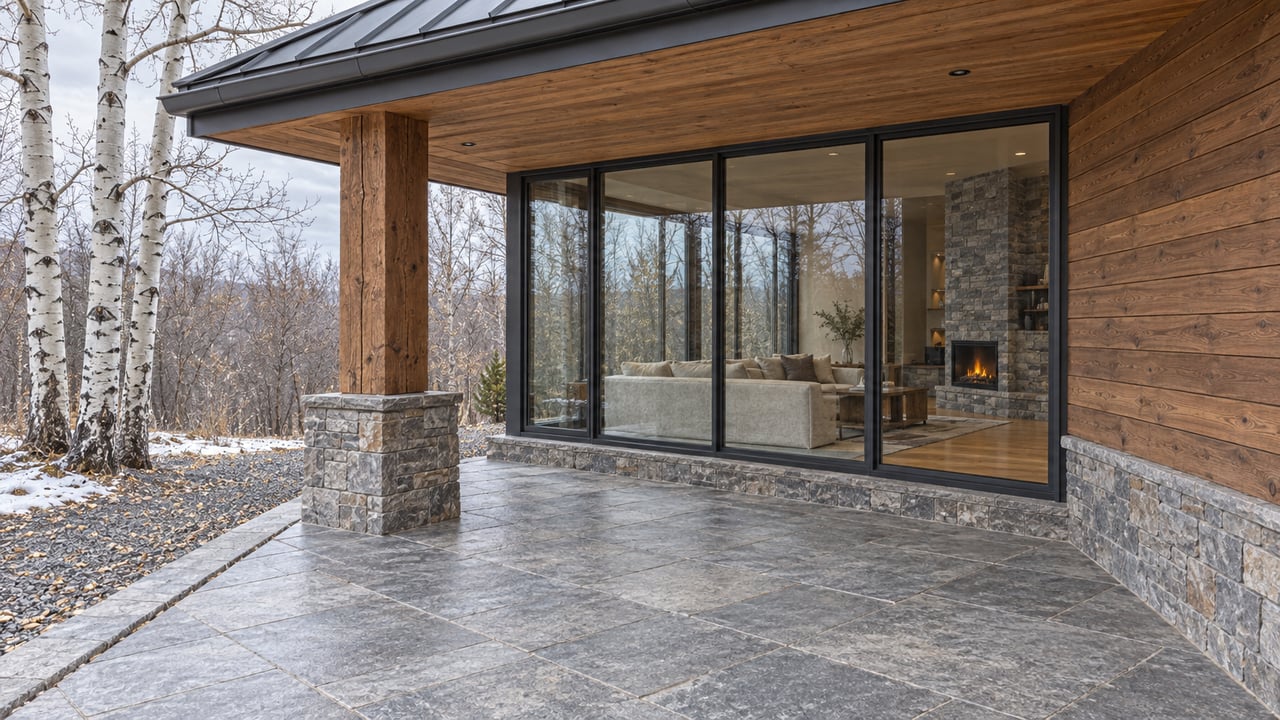
- Comfort sells. Warm, well-lit interiors and efficient heating systems show especially well in cold months.
Tradeoffs to plan around
- Fewer showings overall. You will likely host fewer visits, but feedback is still meaningful because the visitors are serious.
- Curb appeal challenges. Snow and dormant landscaping hide plantings. Keep walkways and driveways clear and safe.
- Exterior work delays. Painting and landscaping may need to wait, which can affect first impressions and negotiations.
- Appraisal logistics. Thin winter comps can require more context from your agent and lender.
Spring selling pros and cons
Advantages of waiting for spring
- Bigger buyer pool. More showings and wider exposure can help pricing if supply stays limited.
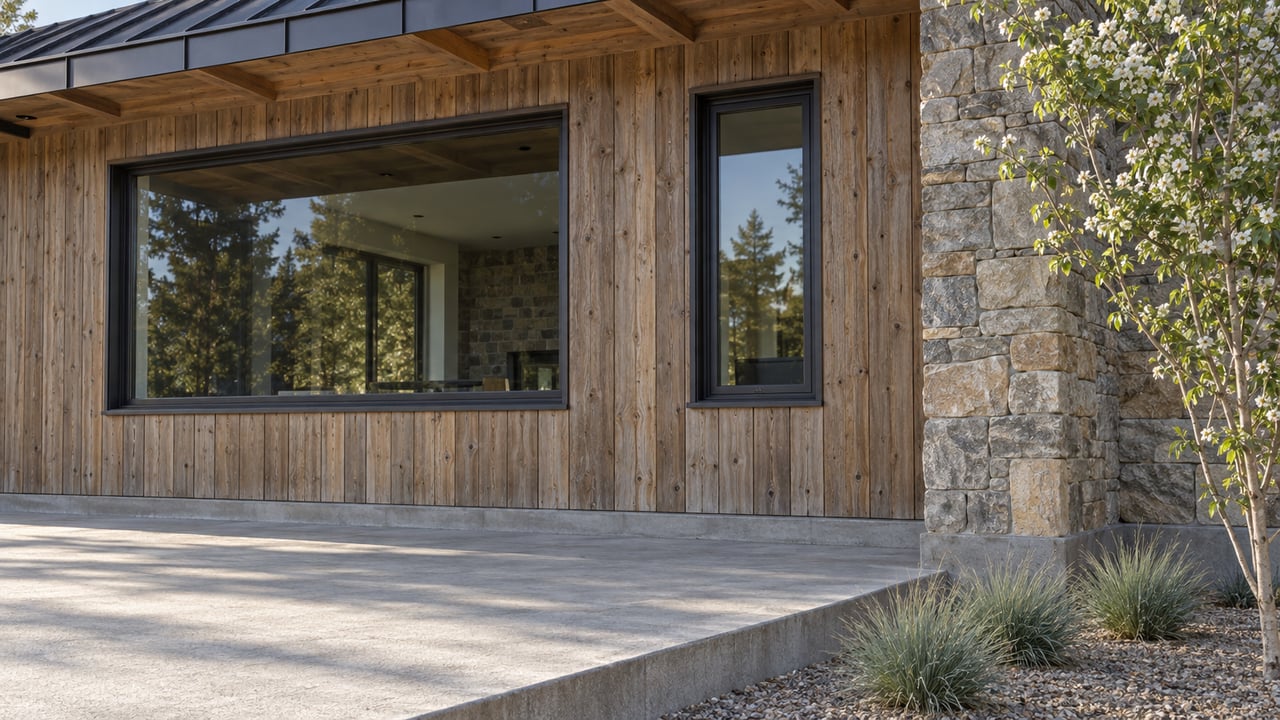
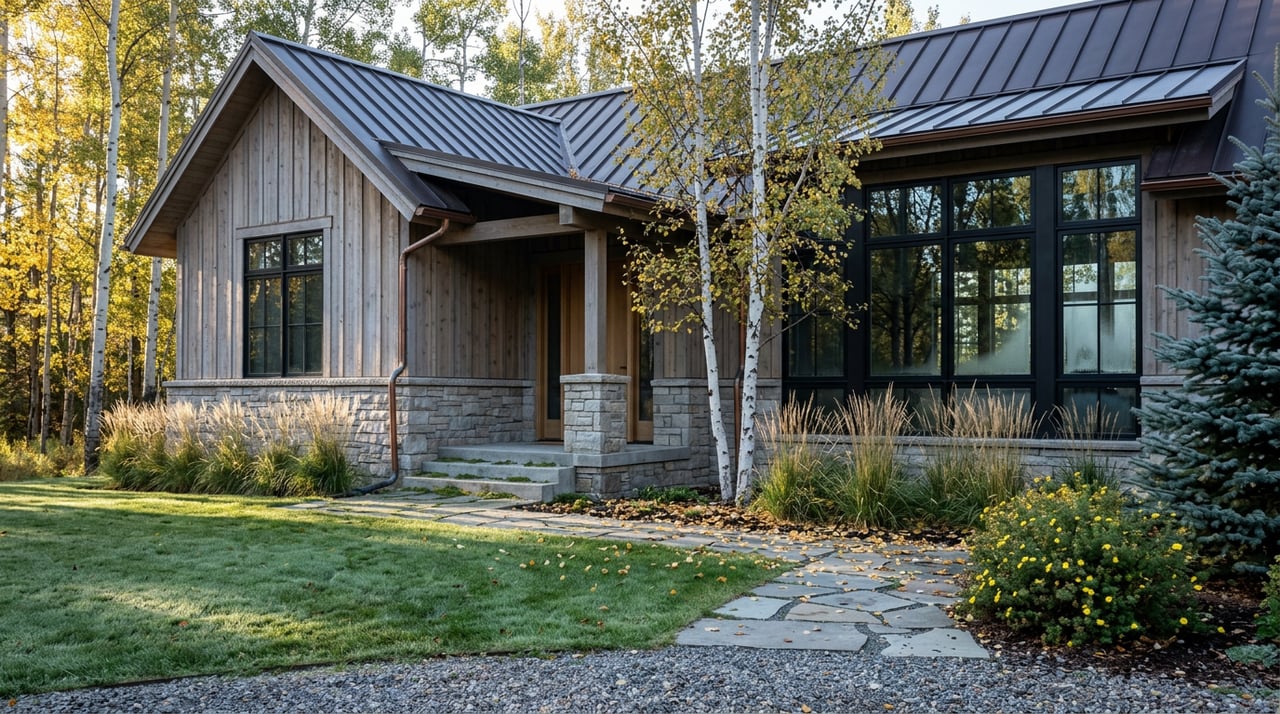
- Better photos and curb appeal. Longer days and greenery support strong visuals.
- Easier repairs. Exterior projects and touch-ups are simpler to complete.
Tradeoffs to expect
- More competing listings. Your home may face greater competition in popular price bands.
- Higher holding costs. Additional months of mortgage, taxes, insurance, HOA fees, and utilities add up.
- Market risk. Changes in rates or demand can offset seasonal gains.
Cost and timing math made simple
List your monthly holding costs: mortgage interest, property taxes, insurance, HOA dues, utilities, and routine maintenance. Compare that total to any reasonable spring price bump you might expect. If holding three or four months costs more than the likely gain, listing now could be the smarter move.
Personal timing often decides the issue. If you must sell by a fixed date for a job or a purchase, list earlier and price for the market you have. If exterior work will clearly lift the home’s perceived value and you can finish it in spring, waiting can make sense.
Use quick rules of thumb:
- If months of inventory is low and DOM is short, listing now can capture motivated buyers and avoid spring competition.
- If inventory is high, sale-to-list ratios are slipping, and your timeline is flexible, spring may bring better exposure.
- If you are deadline-driven, act early and price realistically.
- If curb-dependent improvements are essential, schedule them, then launch as soon as weather allows.
Winter selling tactics that work
Smart pricing
Anchor your list price to fresh neighborhood comps and current absorption. In tight inventory, a competitive pricing band can draw early offers. Revisit pricing quickly if early showings are light.
Strong visuals and virtual access
Use warm interior lighting and, if appropriate, a twilight exterior. Invest in a quality virtual tour and a clear floor plan. These tools pull in relocators and second-home buyers planning trips around MSU or ski season.
Safe, simple showings
Keep entries, driveways, and walkways shoveled and treated. Offer flexible showing windows to fit shorter daylight hours. Make indoor comfort obvious. Share maintenance records for heating systems to build buyer confidence.
Pre-inspection and practical fixes
For older homes or those with deferred exterior items, consider a pre-list inspection. If weather blocks repairs, gather contractor estimates and be ready to offer a credit or escrow holdback.
Quick decision checklist
Use this to decide whether to list now or wait.
- Market signals:
- Current months of inventory for Bozeman and your neighborhood
- Recent median days on market trend
- Sale-to-list ratio over the last 3 months
- Pending versus closed sales trend
- Financial factors:
- Monthly holding costs and a simple breakeven against a possible spring price lift
- Any tax-year or financing considerations
- Home readiness:
- Showing condition today, including staging, photography, and winter access
- Exterior improvements that would raise value in spring
- Personal timing:
- Fixed move-out or purchase deadlines
- Coordination with school or work dates
Timeline planner: list now vs spring
| List now in winter | Wait until spring |
|---|---|
| Week 0–1: Choose your broker, review comps, set pricing strategy, start staging and decluttering. | Now–Week 4: Decide scope of improvements, collect contractor quotes, consider a pre-inspection. |
| Week 2: Professional photos, virtual tour, floor plan, and MLS launch. | Winter–Late Feb: Complete exterior touch-ups as weather allows, finalize staging plan. |
| Weeks 2–8: Showings, feedback review, price tune-up if needed, negotiate offers. | Early March: Professional photos with stronger curb appeal, publish listing to catch peak traffic. |
| Contract to close: Typical financing window is about 30 to 45 days from acceptance. | Contract to close: Plan for about 30 to 45 days depending on buyer financing. |
How Bozeman Realty helps you decide
You deserve a choice grounded in local data and your real timeline. With owner-led representation, neighborhood-level metrics, and hands-on coordination, you get a clear plan without the stress. We will pull fresh MLS snapshots for your area, estimate your holding-cost breakeven, shape a pricing band that matches current demand, and line up the right winter marketing package.
Ready to compare a winter launch with a spring strategy for your Bozeman home? Reach out to Bozeman Realty to search listings, review local comps, or schedule a personal consultation with Jon.
FAQs
Will I get fewer showings if I list in winter in Bozeman?
- Yes, usually fewer showings, but a higher share of motivated buyers who often have firm timelines.
Do winter listings in Bozeman sell for less than spring?
- Not necessarily; outcomes depend on current inventory, days on market, sale-to-list ratios, and how well the home is priced and marketed.
How do seasonal conditions affect appraisals and comps in Bozeman?
- Winter can mean thinner recent comps; your broker can provide up-to-date neighborhood sales and context to help the appraiser assess value.
Are winter buyers in Gallatin County more likely to be cash?
- Not always, but winter buyers often include relocators and investors who are pre-approved or ready to move quickly.
If I wait for spring, will I definitely net more?
- There is no guarantee; spring brings more buyers and more competing listings, and broader market shifts can offset seasonal gains.