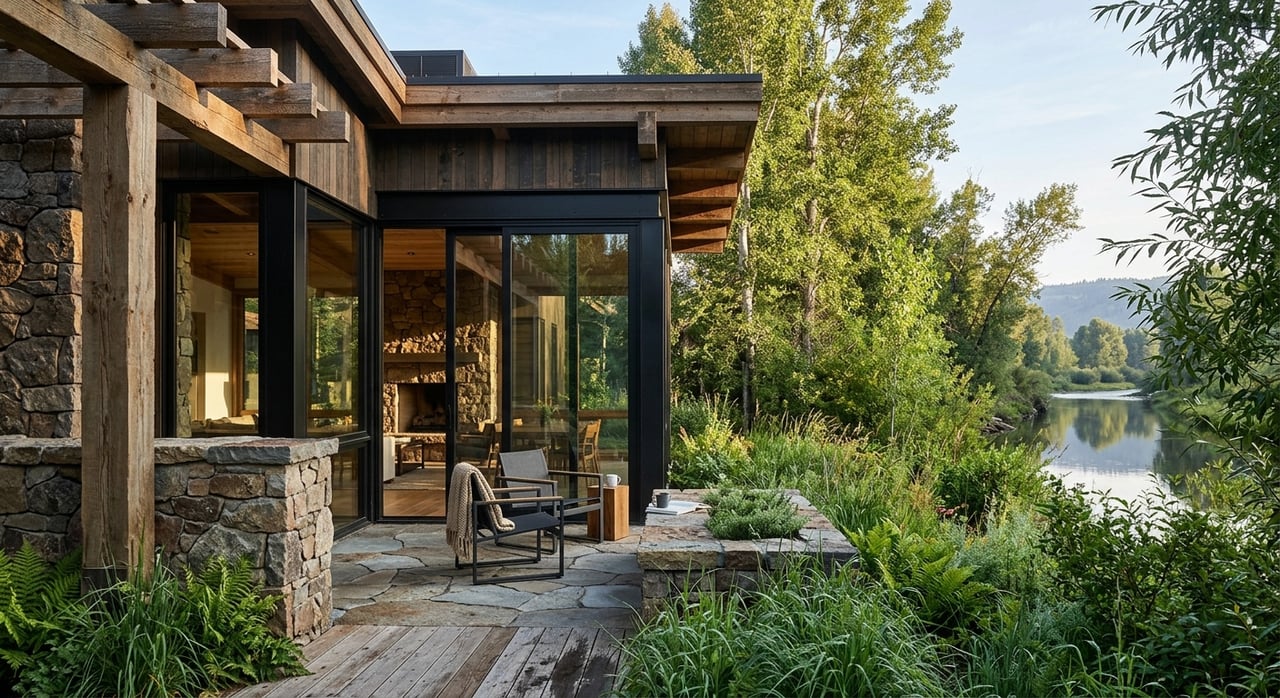
If you want a Montana town where river access feels woven into daily life, Three Forks deserves a close look. You may be drawn to the water, the quieter pace, or the idea of living outside Bozeman while staying connected to the Gallatin Valley. The key is understanding both the appeal and the practical details, especially around access, seasonal use, and floodplain questions. Let’s dive in.
Why Three Forks Feels Like a River Town
Three Forks sits about 30 miles west of Bozeman where the Jefferson, Madison, and Gallatin rivers come together to form the Missouri River. That setting shapes the town’s identity in a very direct way. Water is not just scenery here. It is part of how people experience the landscape, recreation, and the town itself.
The city’s growth policy describes a compact downtown and commercial corridor, a grid-pattern residential core, and surrounding rural residential and agricultural land. In 2020, Three Forks had 1,989 residents, which helps explain why it feels smaller and more understated than Bozeman. You still get ties to the same regional market, but the day-to-day rhythm is distinctly more low-key.
River Access in Three Forks
For many buyers, the biggest question is simple: how easy is it to actually use the water? In Three Forks, the answer depends less on being near a river on a map and more on your connection to public access points, trails, and easements. That is an important distinction when you compare homes or land.
Missouri Headwaters State Park is the signature river amenity in the area. Montana Fish, Wildlife & Parks says the park is open year-round and offers floating, fishing, picnicking, bicycling, hiking, canoeing, kayaking, bird watching, and wildlife viewing. The local chamber notes it is about 8 miles northeast of town, which keeps it close enough for regular use rather than just occasional trips.
The Headwaters Trail System adds another layer to that lifestyle. The trail network connects town to Missouri Headwaters State Park and to Drouillard Fishing Access through about 12 miles of paved trails. The city also notes that local ponds support canoeing, kayaking, and children’s fishing, which broadens the water-oriented feel beyond the main river corridors.
What Montana Stream Access Means
Montana’s stream-access law is a real part of living near the rivers here. According to Montana Fish, Wildlife & Parks, the public may use rivers and streams for recreation up to the ordinary high-water mark. At the same time, you cannot cross posted private land to reach the water.
For you as a buyer, that means river proximity alone does not tell the whole story. A property near the water may feel appealing, but your day-to-day experience often depends on legal public access, nearby trail links, and established fishing access sites. That is one reason local guidance matters when you start narrowing down options.
What Daily Life Near the Water Looks Like
Living near the rivers in Three Forks is often more about easy, repeatable outdoor time than dramatic waterfront living. The town’s pattern is not centered on dense riverfront subdivisions. Instead, it feels like a small grid of established neighborhoods that quickly gives way to ponds, cottonwoods, open land, and river corridors.
That setup can make recreation feel close at hand without making every outing a major production. You may be able to bike to parks, use the trail system, or head out for an afternoon near the headwaters without dealing with the pace or traffic of a larger city. For many buyers, that balance is exactly the draw.
The city says Three Forks has seven parks covering just over 9 acres, and those parks are accessible by foot or bike through the Headwaters Trail System. The growth policy also says residents can walk or bike to schools, a medical clinic, the airport, a grocery store, several retail and dining options, and parks. So while Three Forks is smaller, many daily needs are still close to home.
Seasonal Rhythms Near the Rivers
River living in Three Forks changes with the seasons. A nearby NOAA climate station at Bozeman 12 NE shows average highs of 34.8°F in January and 76.2°F in August, with precipitation peaking in late spring and early summer. That pattern lines up with what many buyers expect from southwest Montana, but it is still worth thinking through before you buy.
Winter tends to be quieter along the water. Spring can bring more variable conditions, while summer is the natural high season for floating and fishing. Missouri Headwaters State Park is open year-round, but Montana Fish, Wildlife & Parks notes that activities can be affected by floods, fire, drought, or maintenance, and the city says trails may close in wet conditions.
Why Seasonality Matters for Buyers
If you are shopping with a river lifestyle in mind, think about how you would use the area in more than one season. A home that feels ideal in July may look different during spring runoff or in the middle of winter. That does not make it a poor fit, but it does mean your expectations should match the actual rhythm of the place.
It also helps to think beyond recreation. Access roads, trail conditions, and even how often you expect to be outdoors all shape whether a location feels convenient year-round. A practical, season-by-season view usually leads to better decisions.
Floodplain Questions You Should Ask
This is one of the most important parts of buying near the rivers in Three Forks. The city’s flood regulations say the notice applies to addresses in or adjacent to the 100-year floodplain between the Madison and Jefferson rivers. The city also states that roughly 90% of residences lie within the floodplain and that Three Forks is subject to January and February flooding caused by extreme cold and ice jams.
That does not mean river-adjacent properties are automatically the wrong choice. It does mean floodplain review should be part of your search from the beginning, not a detail left for the end. If you are serious about a home or parcel, you will want to understand flood zone status, permitting requirements, elevation details, and insurance questions as early as possible.
The city further says floodplain development permits are required in flood zones and that standard homeowners insurance does not cover flood losses. Those are not minor details. They can affect your monthly costs, your plans for improvements, and how confidently you move forward on a property.
Floodplain Planning Is Part of the Town’s Future
Three Forks is not ignoring this issue. The city’s growth policy says it is actively pursuing flood mitigation work intended to redirect floodwater back into the Jefferson River. That matters because floodplain planning is tied not only to current risk but also to how the town may grow and where future neighborhood options may emerge.
For buyers, this is a good reminder that real estate decisions here are closely connected to local planning. A knowledgeable review of maps, permits, and site-specific details can help you separate a manageable situation from a costly surprise.
Homes, Neighborhood Feel, and Services
Three Forks offers a small-town street pattern with a mix of housing ages and styles. According to the city’s growth policy, most homes are single-family, many were built between 1980 and 2000, and a meaningful share dates to before 1940. That gives the housing stock a more established feel than a brand-new master-planned river community.
The same planning documents say streets are generally low-traffic enough that cars, bikes, and pedestrians share the same network, though many residents still rely on personal vehicles for trips beyond town. If you want a place where the built environment feels modest and practical, that may be part of the appeal. You are getting a town that feels lived-in and functional, not overly polished or overly dense.
Three Forks also serves as a regional service node. The city points to a fire station, library, medical facility with ambulance, pharmacy, chiropractic clinic, dentist, senior center, post office, and a K-12 educational facility among its core services. That helps explain why daily life here can feel self-contained in the best sense, even if many residents still commute or travel for work.
Three Forks in the Gallatin Valley Context
One reason buyers keep Three Forks on their radar is that it offers a quieter setting while staying connected to the broader Gallatin Valley. The city’s planning documents say only about 10% of residents both live and work in town, the largest share of commuters goes to Bozeman, and average commute time is about 21 minutes. That pattern makes Three Forks a realistic option for people who want more breathing room without losing regional access.
Gallatin County reached an estimated 128,740 residents in 2025, which shows the scale of growth in the wider area. At the same time, southwest Montana remains deeply shaped by its headwaters landscape and recreation economy. Three Forks fits that context well because it offers river access, open land, and a small-town footprint within one of Montana’s fastest-growing regions.
Who May Appreciate Living Near the Rivers
Three Forks can be a strong fit if you want to stay connected to the Gallatin Valley but prefer a smaller town feel. It may also appeal if you value repeatable outdoor access, established neighborhoods, and a more understated pace than Bozeman. The river setting is a big part of that appeal, but so is the balance between local services and regional connectivity.
It may be especially worth a closer look if you are considering:
- A primary home with easier access to fishing, floating, and trails
- A relocation move where you want a quieter base near Bozeman
- Land or property where site-specific due diligence is a major part of the decision
- A purchase where floodplain review will influence both cost and long-term plans
Final Thoughts on River Living in Three Forks
Living near the rivers in Three Forks can offer a rare mix of outdoor access, small-town structure, and Gallatin Valley convenience. The setting near the Jefferson, Madison, Gallatin, and Missouri headwaters gives the town an identity that feels grounded in place rather than manufactured. At the same time, the smartest way to buy here is with a clear eye on public access, seasonal conditions, and floodplain realities.
If you want help evaluating homes, land, or neighborhood options in Three Forks and the broader Gallatin Valley, Bozeman Realty can help you sort through the details with practical local insight and hands-on guidance.
FAQs
How close is Three Forks to the rivers?
- Three Forks sits where the Jefferson, Madison, and Gallatin rivers merge to form the Missouri River, about 30 miles west of Bozeman.
Is river access in Three Forks public?
- Public recreational use is allowed up to the ordinary high-water mark under Montana stream-access law, but you cannot cross posted private land to reach the water.
What river activities are available near Three Forks?
- Missouri Headwaters State Park supports floating, fishing, picnicking, bicycling, hiking, canoeing, kayaking, bird watching, and wildlife viewing, and the area also includes trail connections, fishing access sites, and in-town ponds.
Are homes near the rivers in Three Forks in a floodplain?
- Many are, and the city says roughly 90% of residences lie within the floodplain, so flood zone review, permit requirements, and insurance questions are important parts of the buying process.
Can you live in Three Forks without driving to Bozeman for everything?
- For many basics, yes, since the city says residents can access schools, medical care, a grocery store, dining, parks, the library, and other core services in or near town.
Is the river lifestyle in Three Forks only a summer thing?
- No, Missouri Headwaters State Park is open year-round, but actual use can vary with weather, wet trail conditions, floods, drought, fire, or maintenance closures.