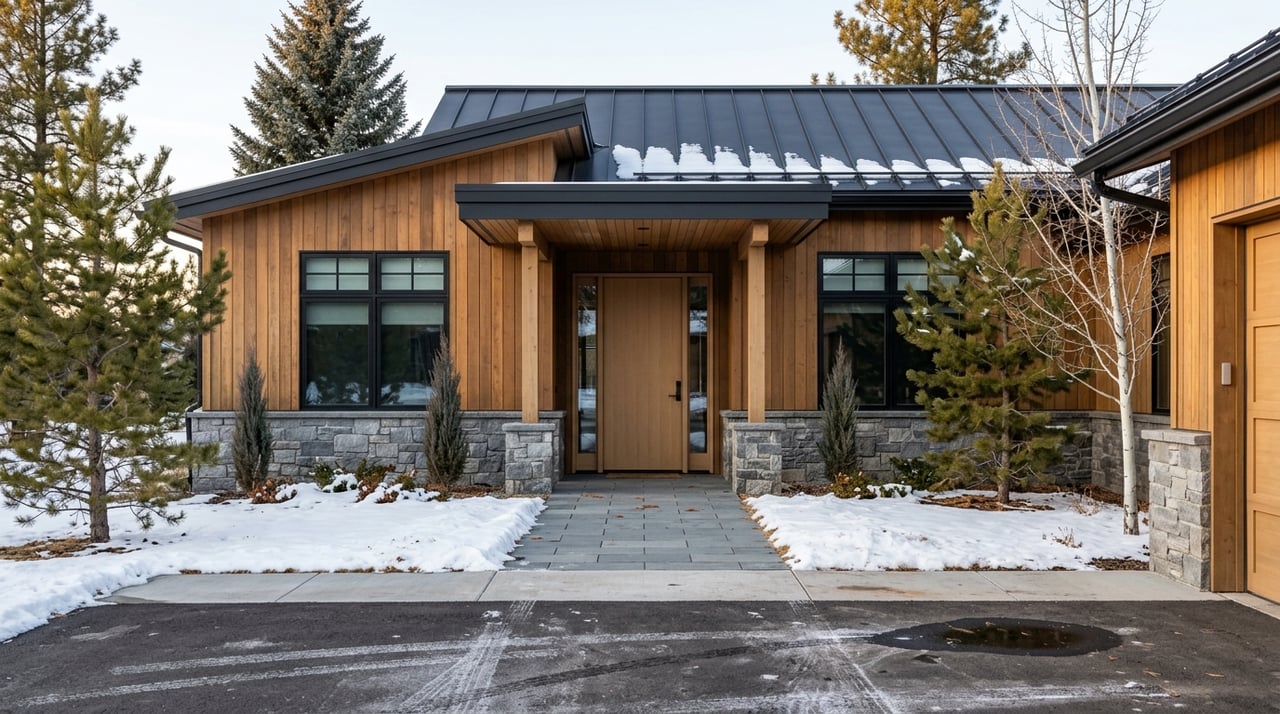
If you are thinking about living in Big Sky full-time, the biggest surprise may be this: it is not just a ski destination. It is a real year-round community with daily routines, local services, seasonal patterns, and a pace of life that feels very different from a larger town. If you want a clearer picture of what everyday life actually looks like here, this guide will walk you through the rhythms, tradeoffs, and practical details. Let’s dive in.
Big Sky Feels Spread Out
Big Sky is a census-designated place in Gallatin County with 3,591 residents across about 120 square miles of land. That means daily life is spread across a broad mountain setting rather than centered in one compact downtown.
For many full-time residents, that shape matters as much as the scenery. You are living in a place where homes, services, recreation, and gathering spots are often clustered in a few key areas instead of lined up block by block.
Town Center is one of the main everyday hubs. It is a 165-acre walking village about 7 miles below Lone Mountain, with dining, shopping, grocery stores, a medical clinic, professional services, a community center, an ice rink, and shuttle or bus access.
That setup gives Big Sky a distinct feel. You can handle a lot locally, but you will likely think in terms of nodes and routes rather than a traditional town grid.
Four Seasons Shape Daily Life
The biggest key to understanding year-round life in Big Sky is that the seasons drive everything. Weather, road conditions, recreation, event calendars, and even transit schedules all shift with the time of year.
NOAA climate normals for the Big Sky 2WNW station at 6,590 feet show an annual mean temperature of 37.7°F. January averages about 29.8°F for the daily high and 8.5°F for the daily low, while July averages about 77.6°F and 41.3°F.
Annual precipitation averages 23.31 inches, with late spring and early summer as the wettest period. In practical terms, that means winter requires planning for snow and ice, while summer opens up a much wider range of outdoor activities.
This is not a place where one season blends gently into the next. Big Sky has a clear winter, spring shoulder season, summer, and fall shoulder season, and residents usually learn to organize their routines around that rhythm.
Winter Requires Planning
Winter is a central part of life in Big Sky, but it does come with logistical realities. Snow, icy roads, and weather-sensitive schedules can affect commute times, errands, and travel plans.
Skyline, the local transit system, notes that weather, construction, and accidents can temporarily delay or change service. For residents, that means building a little flexibility into your day is part of living well here.
Summer Opens Things Up
Summer brings a different pace. Warmer temperatures support hiking, biking, golf, and lift-served mountain activities, and the community often feels active in a more relaxed way than during peak winter weeks.
Big Sky Resort lists summer activities from June 13 through September 13, 2026. It then closes summer operations to prepare for the next winter season, which reflects how strongly the local calendar follows the mountain cycle.
Everyday Errands Are Centralized
One of the most useful things to know before moving to Big Sky is that everyday services do exist locally, but they are concentrated. This is not a broad retail environment with many overlapping options in every direction.
For groceries and quick essentials, Hungry Moose’s Town Center market says it is open daily from 6:30 a.m. to 9:00 p.m. That kind of local access makes a real difference for full-time residents.
The result is a lifestyle that feels practical, but streamlined. You can cover many basics without leaving Big Sky, though you will probably become very familiar with a handful of core places that anchor day-to-day life.
Healthcare Is Available Locally
Access to healthcare is one of the biggest questions people have about mountain living. In Big Sky, there is an important local option that helps support year-round residency.
Big Sky Medical Center says it offers primary care, pharmacy services, imaging, laboratory testing, and 24/7/365 emergency care. It also has a heli-stop for air ambulance service.
That does not make Big Sky feel like a major medical center, but it does mean the community has more than visitor-level support. For many buyers considering a full-time move, that is a meaningful part of the equation.
Transportation Depends on the Season
Transportation in Big Sky works differently than in a larger city. You are not looking at a dense fixed-route network across a large urban area. Instead, local movement often depends on a mix of shuttles, on-demand service, and regional bus connections.
Skyline describes itself as a year-round public transportation system. Its schedules shift by season, and service includes local routes, on-demand Big Sky Connect service around parts of town, and Link service between Big Sky and Bozeman.
In summer 2026, local service in Town Center, Meadow Village, and Confluence is on-demand from 6 a.m. to 11 p.m., seven days a week. The Link also runs seven days a week between Big Sky and Bozeman.
For many residents, regional access still matters. Big Sky is about 45 miles south of Bozeman and about 50 miles from Bozeman Yellowstone International Airport, so trips into Bozeman remain part of life for some work, travel, shopping, and appointments.
Big Sky Supports Full-Time Families
If you are moving with children, Big Sky does have a local K-12 school district. Big Sky School District lists Ophir Elementary, Ophir Middle, Lone Peak High School, an IB Diploma Program, and an online academy.
The district also lists local community partners such as the Big Sky Community Library and the Warren Miller Performing Arts Center. Together, those details help show that Big Sky functions as a year-round community with local educational and cultural resources.
For families, that can make a full-time move feel more grounded. You are not just buying access to recreation. You are stepping into a place with established local institutions.
Recreation Becomes Part of Routine
In Big Sky, recreation is not reserved for weekends or visiting guests. For many residents, trail access, mountain time, and outdoor movement are built into normal life.
BSCO says its trail system includes 45.3 miles of multi-use trails for hikers, bikers, walkers, skiers, and dogs. Many trails are open year-round, with some routes groomed or plowed in winter.
That means outdoor access often stays close at hand, even when the season changes. Visit Big Sky also highlights local trail use throughout the year, including Ousel Falls near Town Center.
The Resort Is Only Part of It
Big Sky Resort is a major part of the local identity, but year-round life is broader than resort operations. The resort runs on a defined seasonal calendar, with winter and summer activity windows that shape the energy of the area.
At the same time, residents also rely on trails, local gathering spaces, and community programming that continue beyond peak ski months. Living here full-time is usually about blending resort access with everyday community life.
Community Life Continues Past Ski Season
A common misconception is that mountain towns go quiet once winter ends. Big Sky does slow down compared with peak visitor periods, but it does not shut off.
Town Center lists seasonal community programming such as a Wednesday farmers market from June through September and free Center Stage music on Thursdays from June through August. Those events help keep summer and early fall social and active.
For full-time residents, that matters. A town feels different when there are recurring places and events where people naturally cross paths outside the busiest tourism window.
Big Sky Versus Bozeman
For many buyers, the real question is not whether Big Sky is appealing. It is whether Big Sky fits better than Bozeman or another Gallatin Valley town.
The scale difference is significant. Bozeman’s 2020 census population was 53,293, compared with Big Sky’s 3,591, so Bozeman functions as the larger year-round service center.
That shows up in daily convenience. Bozeman has a fuller fixed-route transit network through Streamline, while Big Sky relies more on seasonal transit and on-demand local service.
Why Some Buyers Choose Big Sky
Big Sky may be the better fit if you want closer access to mountain recreation, trail systems, and resort amenities, along with a quieter small-community feel. The landscape and pace are a big part of the appeal.
For some buyers, that tradeoff is exactly the point. You may give up some convenience density in exchange for more immediate access to the outdoor setting that brought you to Montana in the first place.
Why Others Prefer Bozeman
Bozeman may suit you better if you want more shopping, services, and a more conventional city rhythm nearby. It is usually the easier fit for people who want a broader range of daily options close at hand.
Neither choice is automatically better. It comes down to whether you want your routine centered more on mountain access or on convenience and scale.
What Year-Round Living Really Feels Like
Living in Big Sky year-round often means accepting a few practical tradeoffs in exchange for a very specific lifestyle. You get a scenic, mountain-oriented setting with real local infrastructure, but you also need to be comfortable with seasonal change, longer distances between places, and a service network that is focused rather than expansive.
For the right buyer, that balance feels less like a compromise and more like a priority. If you want daily life shaped by trails, weather, open space, and a close-knit community rhythm, Big Sky can offer a version of Montana living that is hard to match elsewhere in Gallatin County.
If you are weighing Big Sky against Bozeman or other Gallatin Valley locations, working with a local broker who understands those day-to-day differences can help you narrow your search with more confidence. When you are ready to explore the area, search listings or schedule a personal consultation with Bozeman Realty.
FAQs
What is daily life like in Big Sky year-round?
- Daily life in Big Sky is shaped by the seasons, with errands, recreation, and transportation often centered around a few main hubs like Town Center rather than a dense urban layout.
Does Big Sky have grocery stores and basic services for full-time residents?
- Yes. Big Sky has local essentials such as grocery access in Town Center, along with dining, professional services, and other core day-to-day businesses.
What healthcare services are available in Big Sky?
- Big Sky Medical Center says it offers primary care, pharmacy services, imaging, laboratory testing, and 24/7/365 emergency care.
Is Big Sky a good place for families living full-time?
- Big Sky has a local K-12 school district that includes Ophir Elementary, Ophir Middle, Lone Peak High School, an IB Diploma Program, and an online academy.
How far is Big Sky from Bozeman?
- Big Sky is about 45 miles south of Bozeman and about 50 miles from Bozeman Yellowstone International Airport.
Is public transportation available in Big Sky?
- Yes. Skyline operates year-round service in Big Sky, including seasonal routes, on-demand local service in some areas, and Link service between Big Sky and Bozeman.
What makes Big Sky different from Bozeman for full-time living?
- Big Sky generally offers stronger mountain access and a smaller-community feel, while Bozeman provides a larger population base, more services, and a more conventional city rhythm.