Craving a quieter pace without giving up access to Bozeman jobs, the airport, and big-sky recreation? Manhattan, Montana might be the sweet spot you are looking for. You get a true small-town core, quick river access, and realistic commutes that still leave time for dinner on Main Street. In this guide, you will learn what makes Manhattan appealing, what types of homes you will actually find, how the commute plays out, and the key details to check before you buy. Let’s dive in.
Where Manhattan fits in Gallatin Valley
Location and quick stats
Manhattan sits along I-90 in the western Gallatin Valley, west of Bozeman. The town recorded a population of 2,086 at the 2020 U.S. Census, which helps preserve its small-town scale and feel (official census place counts). Typical drive times to Bozeman are in the 20 to 30 minute range in normal conditions, depending on your route and time of day (drive distance context). The region’s primary airport near Belgrade is commonly under a 25-minute drive from town, which is handy if you travel.
Regional market pressures
Countywide trends shape what you will see in Manhattan. Gallatin County has posted strong price growth and limited supply in recent years, with the countywide median sale price reported in the low 600Ks for 2023. The county’s housing strategy notes that job growth and amenity-driven demand from part-time owners, retirees, and remote workers are pushing prices up across the valley (Gallatin County housing strategy). Manhattan benefits from this demand because many buyers will trade a short commute for more space and a quieter setting.
Small-town lifestyle buyers love
Downtown character and community life
Manhattan’s small, walkable Main Street anchors daily life. You will find town hall, the library, a local museum, parks, and a handful of locally owned businesses. Community events, including the annual Manhattan Potato Festival and seasonal gatherings, reinforce that classic small-town rhythm (Town of Manhattan).
Trails, river, and recreation
If easy outdoor access is on your list, you will appreciate Manhattan’s proximity to the Gallatin River. Local efforts are underway to connect town paths to regional routes and river access, including a project that links Manhattan with the Headwaters and Three Forks trail network. These trails and the river’s fishing and floating opportunities are everyday draws for residents (Manhattan Trail System project).
Everyday services and schools
You will find the essentials in town: a small grocery, coffee, and taproom options, plus parks and a community library. Heavier retail and specialty services are a short drive away in Belgrade or Bozeman. The public school campus places the elementary, middle, and high schools close together, which many households find convenient for daily routines.
What you will find for sale
Town-core homes vs. acreage
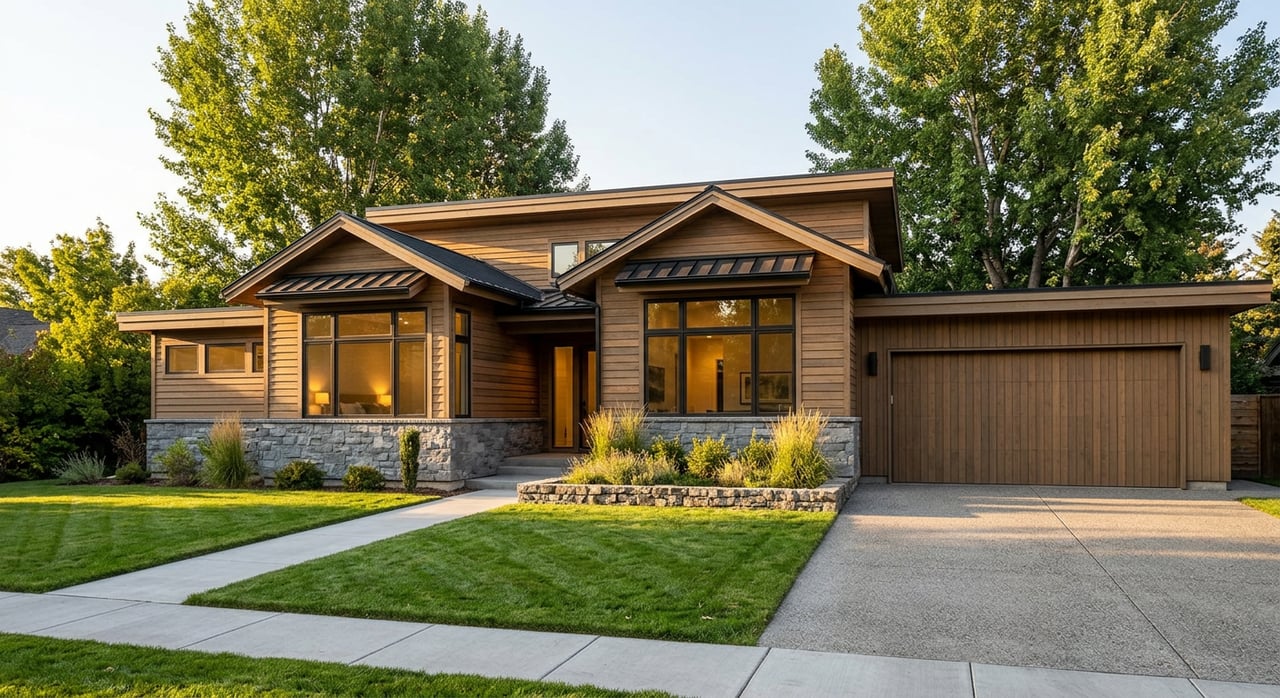
Housing in and around Manhattan falls into two clear buckets. Inside town, you will see traditional single-family homes on smaller, more walkable lots near Main Street. Outside town, inventory tilts toward acreage and ranchette properties, including higher-end ranch communities with 20-acre parcels and equestrian or river-oriented amenities. Buyers who want privacy, room for animals, or more land usually focus north and west of town, while those seeking a small-lot, close-to-Main-Street feel look within town limits.
Pricing signals to watch
Because Manhattan is a small market, a handful of sales can swing the monthly median a lot. Major listing aggregators have recently shown different signals for Manhattan: typical home values in the mid 600Ks in one dataset, a single-month median in the low 800Ks in another, and a median list price in the high 500Ks elsewhere. The takeaway is simple: treat those numbers as context, not gospel. For a clear picture, review current comps and on-market inventory through a live MLS feed and ask for a town-core versus acreage breakdown before you write an offer.
Commute and day-to-day trade-offs
Driving to Bozeman and the airport
Most commuters drive, and many describe the Bozeman run as a reasonable daily trip. In typical conditions, plan on 20 to 30 minutes to Bozeman, plus a few extra minutes during peak times. Streamline Transit offers zero-fare routes across the valley and commuter links in nearby cities, but there is no fixed-route service in Manhattan right now, so a personal vehicle is still the norm. The airport near Belgrade is often under 25 minutes from town, which keeps travel days simple.
Winter and road maintenance
Winter can add variability. The Town of Manhattan and the Montana Department of Transportation coordinate snow removal and prioritize main corridors, but you should still build in extra buffer time during storms. If you plan to live on acreage, confirm who maintains your road, what the plow schedule looks like, and whether there are private-road maintenance fees (Town of Manhattan).
Smart buying checklist
- Clarify commute windows. Test your route during a weekday peak and again after a snowfall so you know your real door-to-door time.
- Match home type to lifestyle. Choose between a walkable town-core lot and an acreage property with more privacy and space.
- Verify utilities and access. For acreage, confirm well and septic details, easements, and private-road or HOA maintenance responsibilities.
- Ask about water and river rights. If you are near the Gallatin River, check floodplain, access rights, and any use restrictions.
- Review zoning and building rules. Touch base with the Town of Manhattan for current planning and permitting guidance (town resources).
- Price-check with live MLS data. Small-market medians move fast, so ask for a fresh town-lot vs. acreage comp set before you decide.
Is Manhattan right for you?
Choose Manhattan if you want a genuine small-town core, quick river and trail access, and you are comfortable with a car-based commute to Bozeman. If you prefer more services and the shortest drive, you might also look at Belgrade, which sits closer to Bozeman and the airport (Belgrade overview). If you want more distance from Bozeman and very large lots, explore nearby Three Forks for a more rural feel and headwaters-focused recreation scene (Three Forks overview).
When you are ready to explore listings or talk through town-core versus acreage trade-offs, connect with a local advisor who can pair live MLS data with on-the-ground insight. If you want hands-on guidance and timely search tools, reach out to Bozeman Realty to set up saved searches, review comps, and plan a smart path to your next home.
FAQs
How far is Manhattan from Bozeman during typical commute times?
- In normal conditions, many commuters report 20 to 30 minutes by car, with winter weather and peak-hour traffic adding time; check a live map for your route.
What types of homes are most common in Manhattan, MT?
- You will see two main options: smaller-lot single-family homes in the town core and acreage or ranchette properties outside town, including 20-acre ranch communities.
How competitive is the Manhattan housing market right now?
- Inventory is limited and countywide demand remains strong, so desirable listings can draw quick interest; the county strategy highlights ongoing supply pressures across the valley (county strategy).
Are there public trails and river access near Manhattan?
- Yes. Local projects aim to connect town to the regional trail network and the Gallatin River, which offers popular fishing and floating opportunities (Manhattan Trail System).
What should acreage buyers check before making an offer in Manhattan, MT?
- Confirm well and septic details, easements, private-road or HOA maintenance, zoning, and any floodplain or river-access considerations; start with Town of Manhattan resources (planning info).
Does Manhattan have public transit to Bozeman?
- Streamline operates zero-fare service across the valley, but there is no fixed-route connection specific to Manhattan at this time, so most commuters rely on personal vehicles.