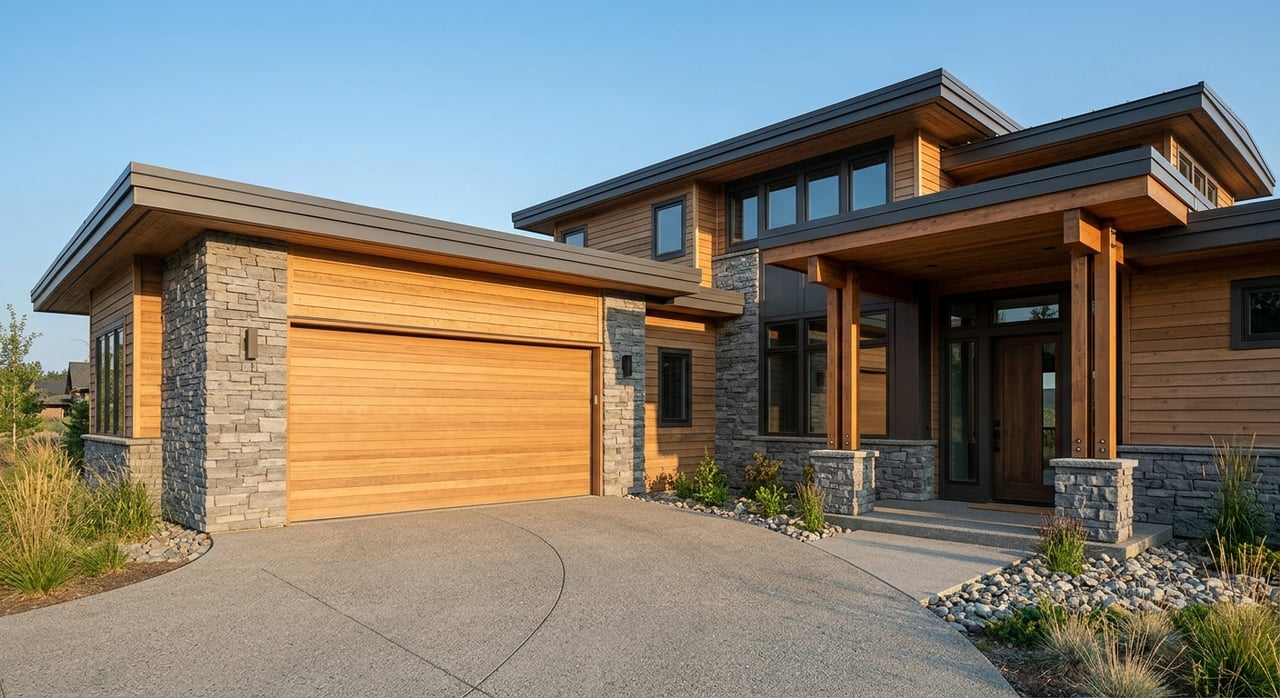
Wondering if Four Corners gives you the right balance of space, access, and commute convenience? If you work in Bozeman, Belgrade, or even travel toward Big Sky, Four Corners often lands on the shortlist for a reason. The area sits in a strategic part of the valley, but your day-to-day experience will still depend on traffic patterns, route options, and the kind of home setup you want. Let’s take a practical look at whether Four Corners is the right fit for your commute.
Why Four Corners Gets Attention
Four Corners is a census-designated place in Gallatin County with 5,901 residents and 2,137 households as of 2020. It has grown quickly from 2010, which helps explain why it keeps coming up in conversations about where the valley is headed next.
County transportation planning places Four Corners within the growing area between Bozeman, Belgrade, and Four Corners known as the Greater Triangle, where future development is expected to occur. That matters if you are thinking beyond today’s drive and trying to understand how the area may function over time.
Four Corners also sits at an important junction in the valley. The Montana Department of Transportation US 191 corridor study starts at the Huffine Lane, Norris Road, and Jackrabbit Lane intersection in Four Corners and heads south toward Big Sky, which shows how this area connects both to Bozeman commuting and the broader south-valley corridor.
Commute Location in the Valley
If your job or routine takes you into Bozeman often, Four Corners is closer than many people first assume. Gallatin County’s Huffine path planning notes say Four Corners is about 3 miles from the Bozeman city limit and about 3.75 miles from the MSU Library, which gives you a useful local frame of reference.
That proximity is one of the biggest reasons buyers consider the area. You are near central Bozeman destinations, but you are also positioned for access toward Belgrade and the Big Sky corridor depending on where work, recreation, or daily obligations take you.
What the Commute Feels Like
On paper, the commute can look manageable. The Census reports a mean travel time to work of 16.8 minutes in Four Corners.
In real life, averages do not always reflect what happens during peak travel times. Main routes around Four Corners carry a lot of traffic, and that can shape your experience much more than the average number suggests.
The MDT US 191 study found substantial growth on the corridor along with increased traffic and safety concerns. In the busiest section, 2018 traffic ranged from roughly 17,300 vehicles per day south of the Four Corners intersection to about 11,000 north of Blackwood Road.
More recent MDT traffic counter data shows 10,528 AADT in 2024 about seven miles south of Four Corners, confirming that the south-valley route remains active. If you drive at standard commuter times, it is smart to expect variation rather than assume a quick, uninterrupted trip every day.
Best Fit for Bozeman Workers
If you work in Bozeman, Four Corners can make sense when you want to stay close without being fully in the city. The area gives you a near-Bozeman location while also placing you on one of the valley’s main movement corridors.
This setup may appeal to you if:
- You commute to Bozeman most weekdays
- You want access toward Belgrade or Big Sky as well
- You value a location just outside Bozeman’s city limits
- You are comfortable planning around corridor traffic
For many buyers, the question is not whether Bozeman is reachable. It is whether the tradeoff between location, housing type, and traffic works for your routine.
Belgrade and Big Sky Access
Four Corners is not only a Bozeman commuter area. It also matters for people whose work or lifestyle involves Belgrade or Big Sky.
On the Belgrade side, MDT is working on the Jackrabbit-Madison to Main project to widen a busy stretch and add a railroad underpass. Construction is anticipated in 2029, which signals continued focus on improving one of the region’s important commuter routes.
For southbound travel, Four Corners sits at the north end of the Big Sky corridor. Skyline’s Link service includes Four Corners stops such as Cardinal Distributing and Gallatin Gateway Inn, which makes the location relevant if your schedule includes trips toward Big Sky.
Transit and Path Options
Driving is not your only option in Four Corners. Gallatin County says Streamline serves Bozeman, Belgrade, Four Corners, and Livingston, and Streamline describes its system as zero-fare.
That will not replace every car trip for every household, but it can matter if you want more flexibility in your week. It is especially useful to know if you are trying to reduce wear on one vehicle, coordinate work schedules, or add backup transportation options.
Longer term, regional planning is also looking at bike and pedestrian connectivity. Gallatin County’s Triangle Trails work identifies Huffine Lane as a primary commuter pathway and says the planned separated path from roughly Circle F Trail to Cottonwood Road would close a nearly three-mile gap.
County planning materials frame that connection as a way to reach jobs, grocery stores, medical services, parks, social events, and other daily destinations. In other words, Four Corners is not just growing in housing. It is also part of a broader conversation about how people move around the valley.
Housing Style in Four Corners
One of the biggest misconceptions about Four Corners is that it has one uniform feel. It does not.
County zoning allows a mix of residential, mixed-use, commercial, and agricultural uses. The mixed-use district even specifically recognizes Rainbow Subdivision as a place that has historically blended residential and non-residential uses.
That means Four Corners can offer a patchwork of housing types rather than a single master-planned identity. Depending on where you look, you may find rural lots, single-family neighborhoods, mixed-use settings, or properties closer to commercial frontage.
If you are comparing Four Corners with other Gallatin Valley locations, this variety can be a real advantage. It gives you more ways to match your budget, commute priorities, and space needs without assuming every part of the area will feel the same.
Cost and Ownership Trends
Four Corners is still a relatively expensive market. According to the 2020-2024 ACS data, the area has a 77.5% owner-occupied rate, a median owner-occupied home value of $648,400, median monthly owner costs with a mortgage of $2,522, and median gross rent of $1,338.
Those numbers point to an established owner-occupied commuter area more than a low-cost rental market. If you are hoping Four Corners will be a simple budget workaround for Bozeman pricing, it is worth entering your search with realistic expectations.
At the same time, value is not only about price. For many buyers, the draw is the combination of location, housing variety, and access to multiple parts of the valley.
Who Four Corners May Suit Best
Four Corners may be a good fit if you want a location that keeps several parts of the Gallatin Valley within reach. It works especially well when your life is not centered on just one destination.
You may want to look more closely at Four Corners if you are:
- A Bozeman commuter who wants to stay nearby
- A household balancing trips to Bozeman, Belgrade, and south-valley destinations
- A buyer looking for single-family options outside central Bozeman
- A relocator who wants to understand valley geography before choosing a neighborhood
It may be less ideal if you want a highly walkable, fully self-contained environment where most daily needs are just a few blocks away. County planning materials note the importance of better connectivity to services, and they also described Four Corners as having very limited local healthcare options at the time of the county’s grant narrative.
The Bottom Line on Four Corners
Four Corners reads as a commuter-oriented edge community. It is tied to Bozeman, Belgrade, and Big Sky by major roads, transit options, and long-term connectivity planning, but daily convenience still depends heavily on the US 191, Huffine, and Jackrabbit corridors.
If your priority is staying close to Bozeman while keeping broader valley access, Four Corners deserves a serious look. The key is to match the location to your actual routine, not just the map.
If you want help comparing Four Corners with other Gallatin Valley options, Bozeman Realty can help you weigh commute patterns, property types, and current opportunities with practical local guidance.
FAQs
Is Four Corners close enough for a Bozeman work commute?
- Yes. County planning materials say Four Corners is about 3 miles from the Bozeman city limit and about 3.75 miles from the MSU Library, although peak-hour traffic can affect drive times.
Is Four Corners a good choice for Big Sky commuters?
- It can be. Four Corners sits at the north end of the US 191 Big Sky corridor, and Skyline Link service includes Four Corners stops for travel toward Big Sky.
Does Four Corners have public transit for commuters?
- Yes. Gallatin County says Streamline serves Four Corners, Bozeman, Belgrade, and Livingston, and Streamline describes the system as zero-fare.
What kind of homes are in Four Corners, Gallatin County?
- Four Corners includes a mix of residential, mixed-use, commercial, and agricultural settings, so housing options can range from rural-style lots to single-family neighborhoods and mixed-use areas.
Is Four Corners more affordable than Bozeman?
- The area may offer different property types, but it is not a low-cost market. The 2020-2024 ACS reports a median owner-occupied home value of $648,400 in Four Corners.
Is traffic a concern in Four Corners for daily commuters?
- Yes. Regional studies note substantial growth, increased traffic, and safety concerns on the US 191 corridor, so commute times can vary depending on route and time of day.