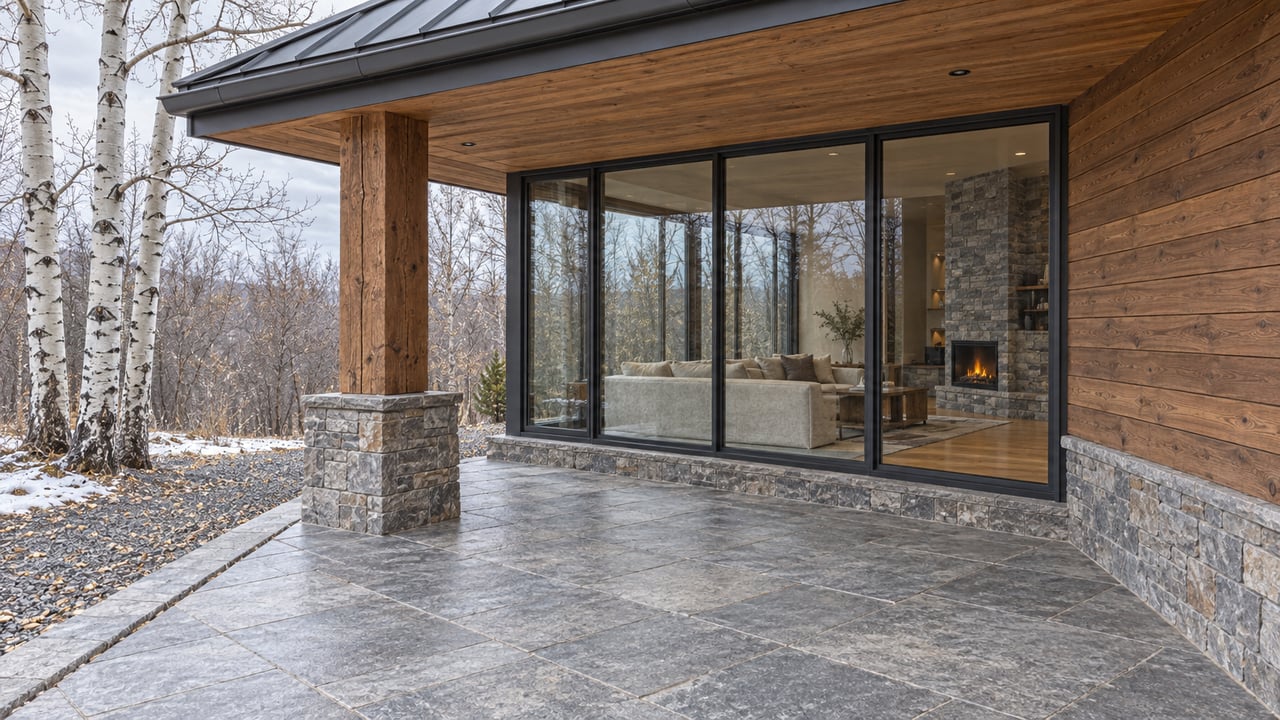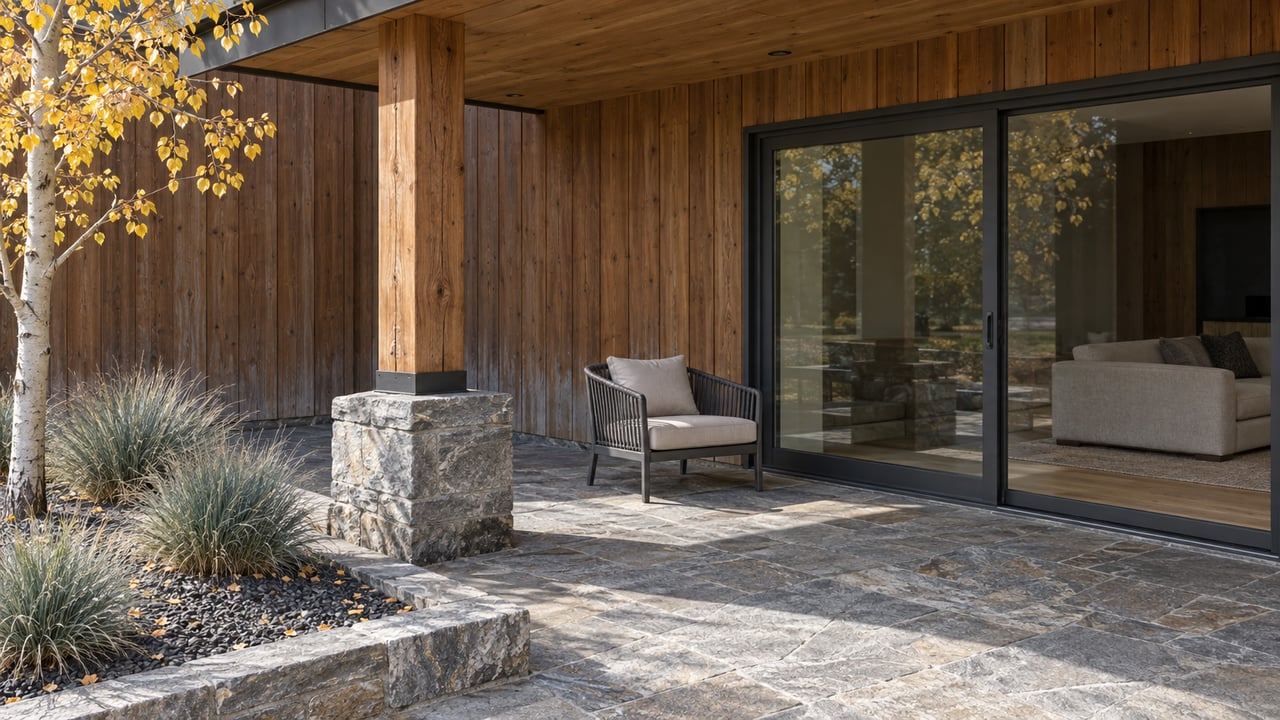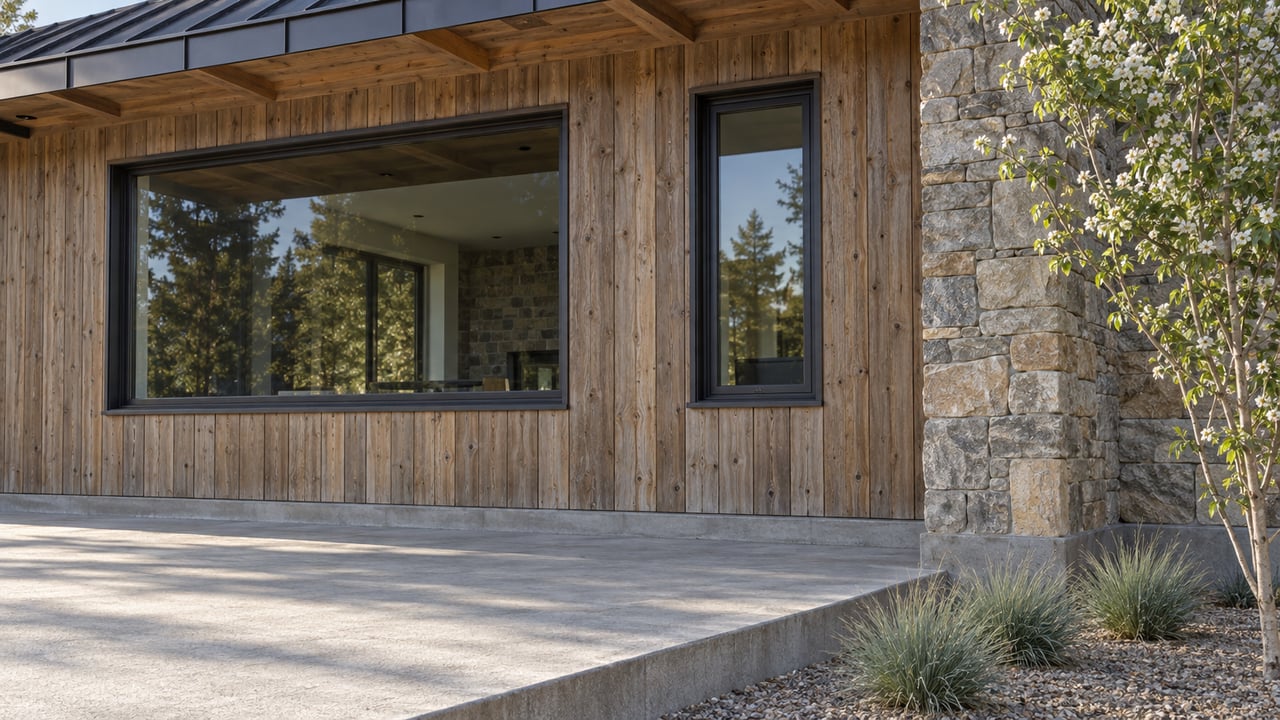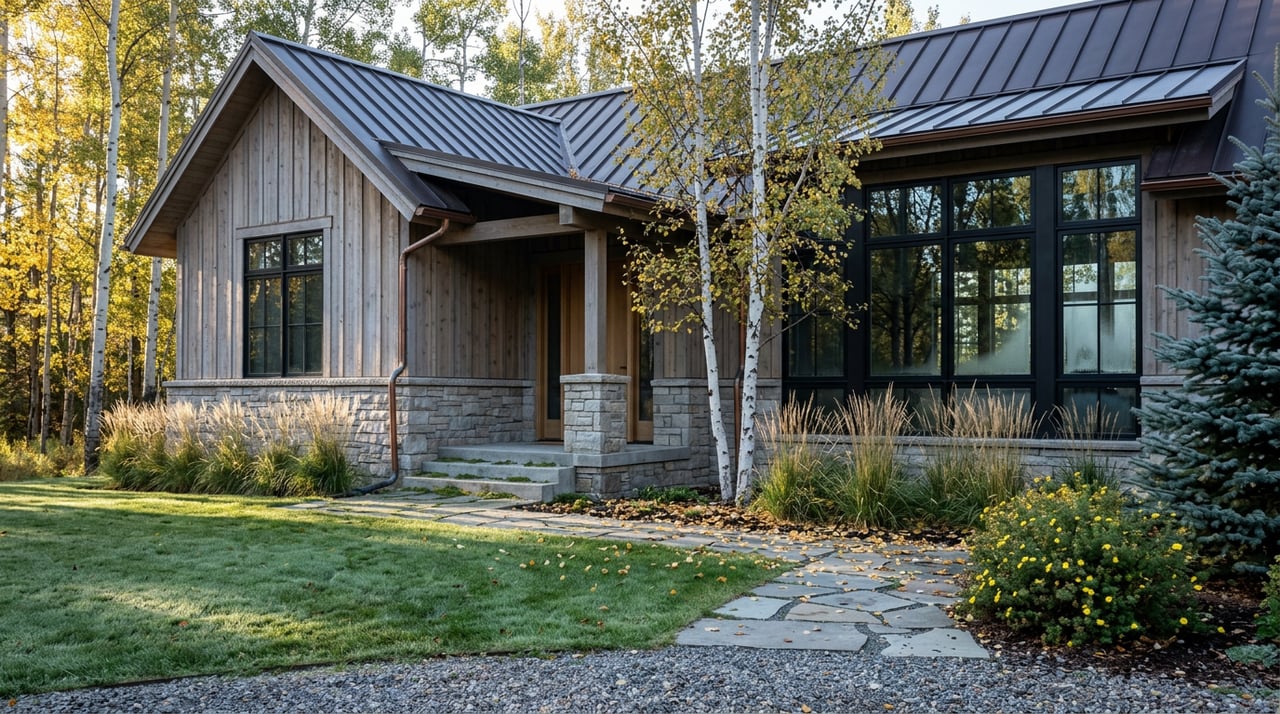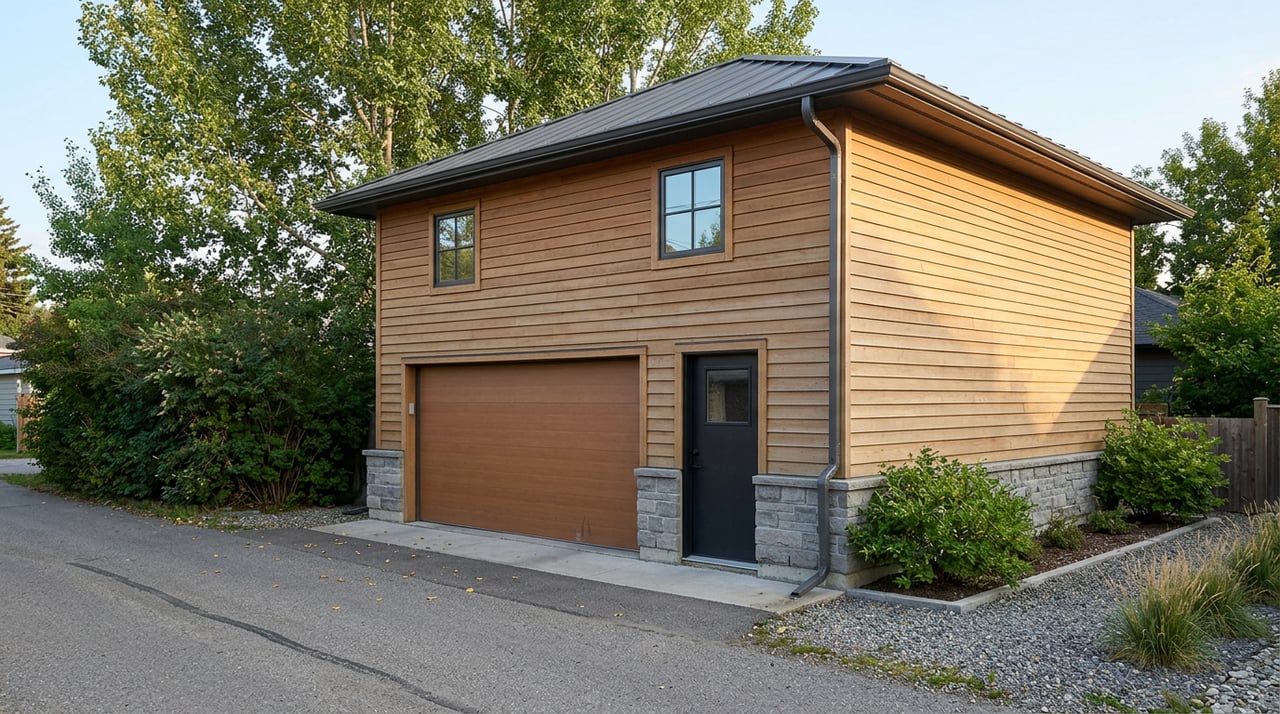
Walk a block of Bozeman's North Side with a buyer touring homes and you'll hear the same questions asked in any subdivision in Gallatin County. Square footage. Bedroom count. Whether the kitchen has been updated. Almost nobody asks about the strip of gravel running behind the property line. That's the wrong order of priorities, because on this side of town, the alley is doing more for the long-term value of the lot than the kitchen ever will.
Here's the contradiction worth sitting with. Buyers comparing the North Side to a newer subdivision on the edge of town usually treat the historic overlay as a cost: more paperwork, slower renovations, a design review board with opinions about your paint color. That's true, but it's only half the picture. The same century-old street grid that triggers that paperwork is also the reason North Side lots can do something most newer Bozeman subdivisions structurally cannot. The trade-off isn't charm versus convenience. It's a real asset bundled with a real governance cost, and both sides of that bundle are being actively renegotiated by the city this year.
What the Alley Is Actually Worth
Bozeman's newer subdivisions, the ones platted over the last three decades on the west and south edges of town, were laid out with front-loading garages and no rear access. That design choice, made decades ago by developers who had no reason to think about accessory dwelling units, quietly foreclosed an option their buyers didn't know they were losing. A former Bozeman associate city planner put it plainly to the Bozeman Daily Chronicle back in 2021, when the city was debating whether to loosen ADU access rules: the alley-dependent path to a backyard or garage-level second unit was, in practice, limited to the older part of the city around downtown, because that's largely where alleys still exist.
The specific fine print on ADU permitting has shifted more than once since that 2021 debate, and it will likely shift again. What hasn't shifted, and can't easily shift, is the geography. You cannot retrofit an alley into a curvilinear subdivision built in 2006. The North Side, along with the other historic neighborhoods that made up Bozeman's city limits back in 1954, is one of the only parts of town where that physical option even exists to be regulated in the first place. Whatever the code says in any given year about setbacks, owner-occupancy, or unit size, the lots with rear alley access start from a structural head start that a buyer in a newer development simply cannot purchase their way into. That's worth more than a line item on a listing sheet. It's the difference between a lot that could someday support a rental unit, a home office, or space for aging parents, and one that never will no matter how much money gets spent on it.
The Price of the Grid: A Review Board for Your Garage
The same historic fabric that makes the alley valuable also puts the house itself inside the Neighborhood Conservation Overlay District, or NCOD, a boundary the City of Bozeman adopted in 1991 to protect the character of its oldest neighborhoods. The district now covers more than 4,000 properties and includes ten separate historic districts. Inside that boundary, the City of Bozeman says any exterior change to a structure, any new construction, and any demolition requires a Certificate of Appropriateness before a building permit is even issued.
That review is not a rubber stamp. In a Montana Right Now report, a city planning deputy director described what the review looks at: window style, roof pitch, siding and roofing materials, color, and how the house presents itself to the street.
"Do you have a front porch? Is there a garage? Where is the garage located?"
Those questions apply to nearly everything visible from the sidewalk. A short, non-exhaustive list of what can trigger a Certificate of Appropriateness application on the North Side:
- Replacing windows, siding, or a roof, even with like-for-like materials
- Adding, moving, or resizing a garage
- Building a fence visible from the street
- Any new construction on the lot, including a detached ADU
- Full or partial demolition of the existing structure
None of this is unique to Bozeman. What is worth knowing before you buy is how it plays out in practice, and 2025 gave the city a live example. According to NBC Montana, a city commission appeal over an approved Certificate of Appropriateness, a project neighbors referred to informally as the Guthrie application, ended with commissioners upholding staff's decision while acknowledging, on the record, that the NCOD's own guidelines had problems and might need clearer regulatory teeth to prevent the same dispute from happening again. That's not a hypothetical friction point. It's the city's own elected body saying the rulebook isn't working cleanly yet.
The Rulebook Is Being Rewritten This Year
That's the part a buyer closing this year needs to understand: the rules you're stepping into are not settled. Bozeman launched the Landmark Program in late 2023 to reassess the entire Historic Preservation Program, and the city commission approved a Phase One report in 2025 with unanimous support, though not without disagreement inside city hall. One commissioner argued the recommendations didn't go far enough to address community concerns about growth. Phase Two, which began in June 2025 and continues through this year, is specifically revising the Certificate of Appropriateness process, updating demolition review criteria, and rewriting the design guidelines that determine what counts as an appropriate window or roofline.
The city held a public open house on this exact question on April 13, 2026, at the Bozeman Event Space downtown. A citizen advocate involved in the process, part of a group called the Better Bozeman Coalition, told reporters the goal was to make sure updates reflect what's actually unique about each part of the NCOD rather than applying one rigid standard citywide. That's a meaningfully different posture than the district has had since 1991, and it means a North Side buyer signing a purchase agreement in August 2026 should assume the design review process they're inheriting will look different in two or three years, not identical to how it's operated for the past three decades.
What This Actually Means If You're Comparing Neighborhoods
None of this makes the North Side a harder buy than a newer subdivision. It makes it a different kind of buy, one where the asset and the friction are the same asset. The Northeast Neighborhood Association, which covers much of the district, has documented residents in its Centennial Park subarea organizing specifically to keep both halves of the bargain: preserving NCOD protections while explicitly pushing to retain ADUs as a source of what they call naturally occurring affordable housing. That's not a group fighting the overlay. It's a group that understands the alley and the review board are a package deal, and wants to keep both.
The neighborhood's momentum backs that up. The Cannery District, a former pea-canning site on the North Side's edge, has spent roughly a decade turning abandoned industrial buildings into a working commercial corridor now home to businesses like Lot G Café, Seven Sushi, and Wildrye Distilling, with more construction still underway at the base of the district's old water tower. The city's 2026 construction season, a $28.8 million program of road and utility work, includes new traffic circles on North Black Avenue at Lamme and Villard streets, a small but telling sign that the city keeps investing in this part of town rather than treating it as a finished project.
If you're comparing the North Side against a newer subdivision, the honest framing is this. You're not paying a premium for old windows and mature trees. You're buying into a lot type that newer Bozeman developments cannot replicate, wrapped in a governance process the city itself admits needs work and is actively rewriting. Whether that trade favors you depends on what you actually want from the property: a backyard unit and long-term flexibility, or a renovation timeline that doesn't require a city planner's sign-off on your fence.
A Few Questions Worth Asking Before You Write an Offer
Does every house on the North Side require a Certificate of Appropriateness for any work at all? Only exterior changes, new construction, and demolition trigger the requirement.
Can I find out if a specific address is inside the NCOD before I make an offer? Yes. The city maintains a public map where you can enter an address directly to check.
Are ADUs guaranteed on any North Side lot with an alley? No.
Buying on the North Side means buying into a neighborhood where the rules are genuinely in motion. That's exactly the kind of moment where it helps to have someone tracking the changes as they happen, not just the listings. If you're weighing a North Side property against something newer across town, Bozeman Realty can walk through what a specific lot and its alley access actually mean for your plans, and what the city's current review timeline looks like before you write an offer.
This article is general information, not legal, tax or financial advice. Consult a qualified professional about your situation.